
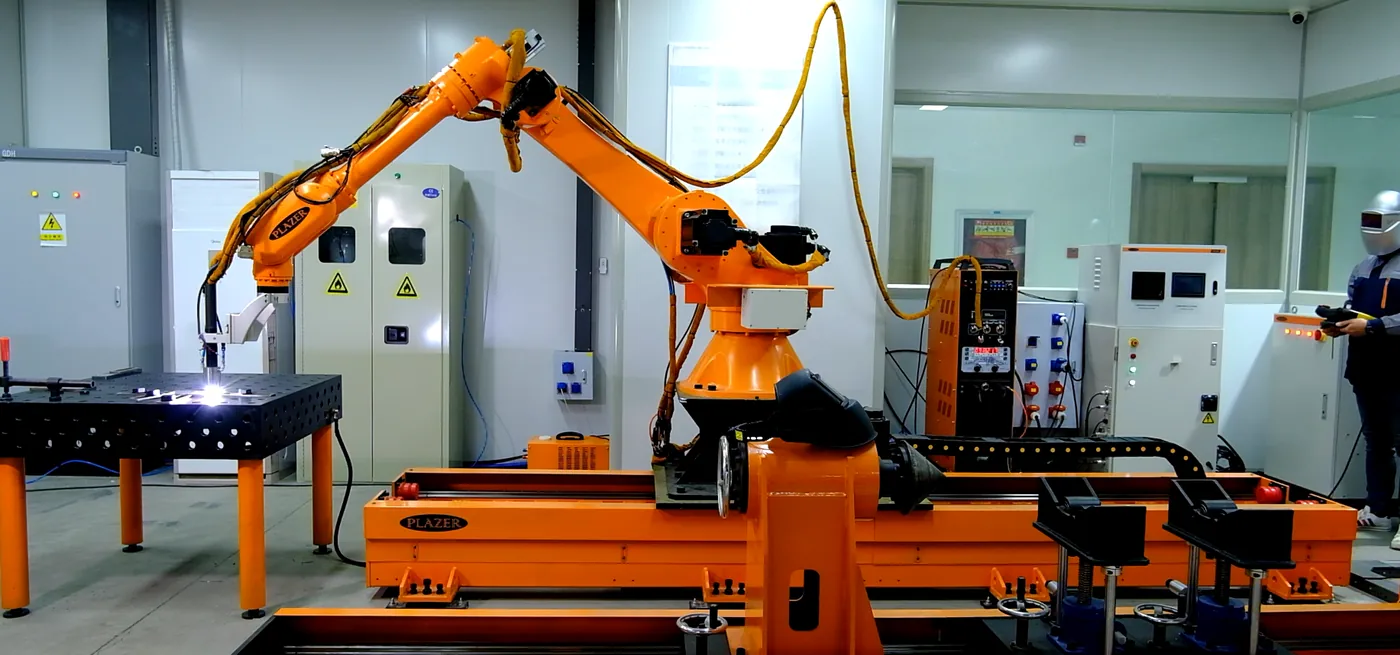
Description
Purpose and operating principle
PLAZER PQ10-MF is a plasma hardening unit using a transferred arc with magnetic control, designed for local surface strengthening of metal parts. The concentrated plasma arc provides precise local heating of the surface layer, followed by intensive self-quenching through heat dissipation into the bulk metal or with forced cooling.
Depending on the material grade and process settings, the unit produces a hardened layer of 40–65 HRC, from 0.2 to 4.0 mm deep.
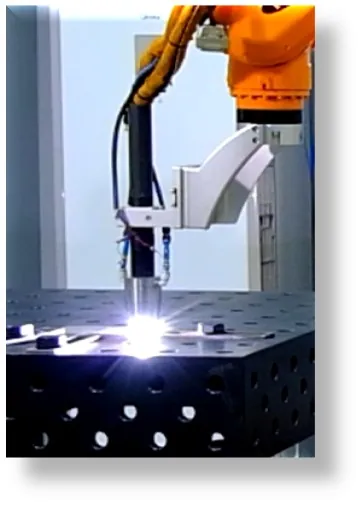
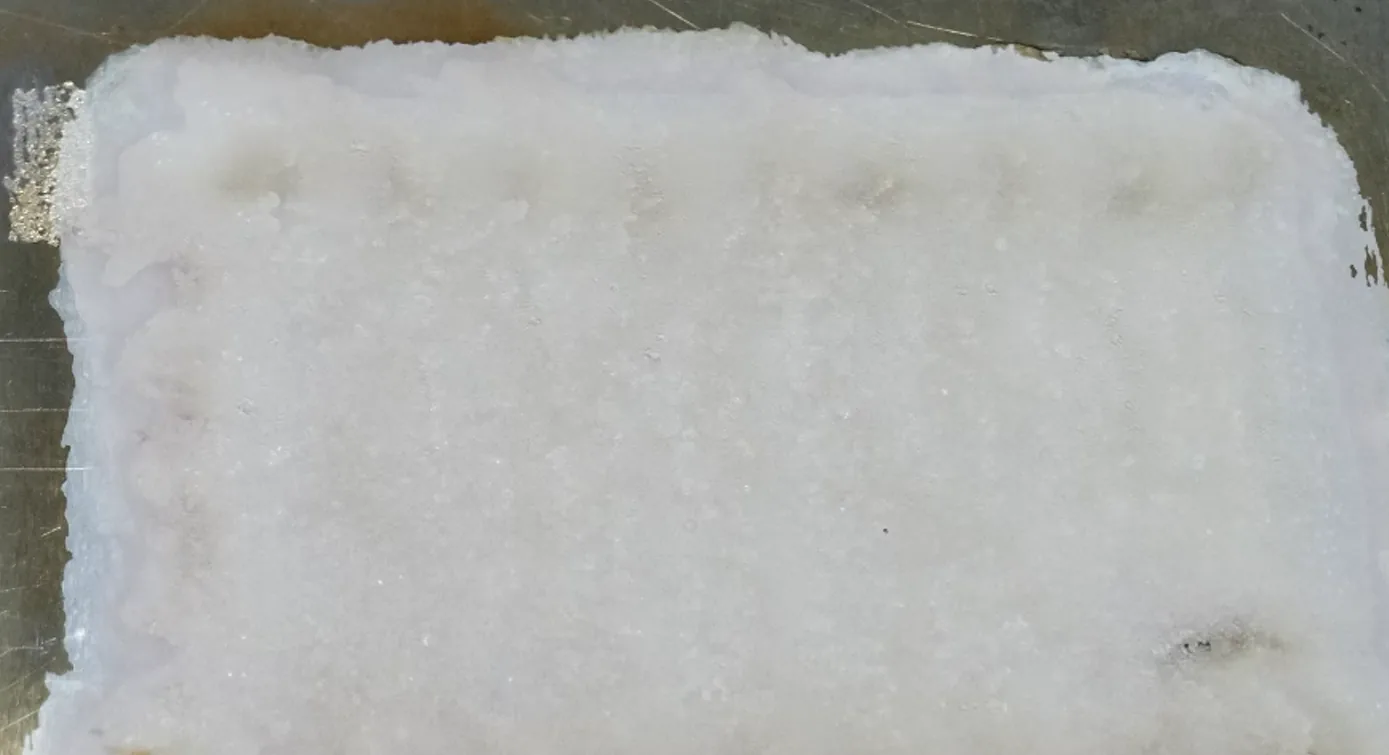
The unit hardens a wide range of materials: carbon steels (up to 58–64 HRC), tool and alloy steels (up to 60–66 HRC), and high-strength cast irons. The high energy density of the plasma arc forms a fine-grained hardened structure with improved wear resistance — part service life increases 2–5 times.
A further advantage is the reverse-polarity plasma arc. It cleans the surface of oxide films and contamination by cathodic action during hardening itself. This improves thermal contact between the arc and the metal, stabilises the process and produces a more uniform hardened layer.
Key process parameters
| Parameter | Value |
|---|---|
| Hardened layer depth, mm | 0.5–4.0 |
| Hardening zone width, mm | 20–25 |
| Hardening speed, mm/s | 5–10 |
Features and advantages
- Integrated magnetic arc control. Keeps the plasma arc highly stable and allows controlled defocusing. Heat flux is distributed more evenly, and the hardening zone widens from 10–15 mm (constricted arc without magnetic control) to 20–25 mm.
- Cathodic cleaning and surface activation. The reverse-polarity arc intensively removes oxide films, contamination and other inclusions during hardening. Thermal contact with the metal improves, the process becomes more stable, and the hardened layer more uniform.
- Higher productivity and quality. More even heat distribution eliminates excessive local heating: processing speed rises, the risk of local overheating and surface melting drops, hardening quality becomes more consistent.
- High mobility. Complex and large parts can be surface-hardened directly at the production site, during installation or repair — without removing the part.
The unit is designed for mechanised, robotic and manual operation. Manual mode requires only simple tooling that holds the torch in a stable position, maintains the required distance to the part surface and an even travel speed. Parts of virtually any geometry and size can be hardened.
Main and auxiliary units
| Unit | Qty, pcs |
|---|---|
| Plasma hardening torch with a focusing attachment for magnetic arc control | 1 |
| Power supply with integrated gas preparation and control unit and liquid cooling unit, on a mobile trolley platform | 1 |
| Magnetic control unit — generator and controller of magnetic field pulses | 1 |
| Hose package: power cables, gas and cooling hoses with quick-release couplings | 1 |
| Gas fittings set: cylinder regulators, safety valves, gas valves, connecting hoses | 1 |
| Spare parts kit: spares, torch consumables (cathodes, nozzles, seals) and dedicated tools | 1 |
| Operating documentation — data sheet and operating manual | 1 |
Optional equipment (subject to agreement with the customer):
- universal bracket-adapter for mounting the torch on an industrial manipulator flange or on the arm of a six-axis articulated robot;
- dedicated clamping tooling — positioner or rotator — for hardening shaft-type parts.
Main technical specifications
| Parameter | Value |
|---|---|
| Torch power, kW | 10 |
| Current adjustment range, A | 50–300 |
| Operating voltage, V | 10–20 |
| Argon pressure, MPa | 0.2–0.6 |
| Argon flow rate, l/min | 8–15 |
| Torch cooling | water |
| Coolant flow rate, l/min | 3–6 |